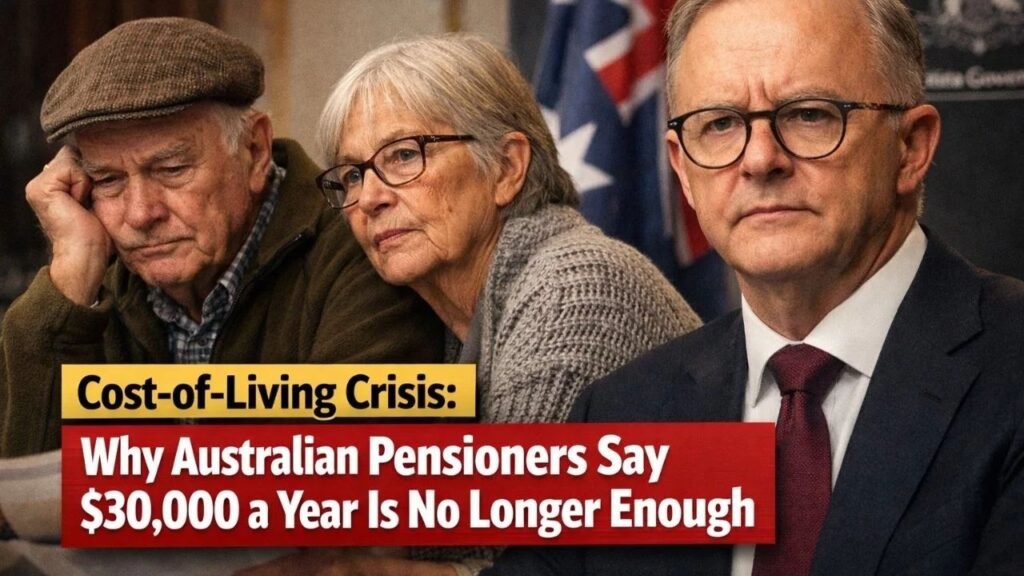
Retirement was once seen as a period of stability — a time when steady income and predictable expenses allowed older adults to live comfortably after decades of work. Today, that expectation is shifting. Across Australia, many retirees are discovering that an annual income of about $30,000, commonly associated with a full single Age Pension, no longer stretches as far as it once did.
In 2026, rising living costs, higher healthcare expenses, and ongoing price increases in essential services have significantly changed the financial landscape for retirees. For many pensioners, maintaining even a modest standard of living now requires careful planning, strict budgeting, and, in some cases, additional sources of income.
Understanding why this shift is happening — and what it means for retirement planning — has become increasingly important for current and future retirees.
What the Age Pension Provides in 2026
The Age Pension continues to serve as the primary income source for many retirees. Designed as a financial safety net, it supports individuals who may not have accumulated sufficient retirement savings.
In 2026, typical full-rate pension payments provide approximately:
- Around $30,000 annually for single pensioners
- About $45,000 per year combined for couples
These figures generally include base pension payments along with standard supplements intended to support everyday living expenses.
While these payments were historically sufficient to meet essential needs, rising costs across multiple sectors have significantly reduced purchasing power. Many retirees now find that their pension covers only basic necessities, leaving little room for unexpected expenses or lifestyle activities.
The Reality of Everyday Spending for Retirees
Retirement spending patterns tend to differ from those of younger households. Most pensioners allocate a large portion of their income to essential living costs rather than discretionary purchases.
Core Monthly Expenses

Typical monthly expenses for retirees often include:
- Groceries and household supplies
- Electricity and gas
- Water and council-related costs
- Insurance premiums
- Healthcare and medication
- Transportation expenses
Even conservative spending habits can result in substantial monthly costs.
Typical Pensioner Monthly Budget Overview
While actual spending varies by location and lifestyle, common estimates suggest the following ranges:
- Groceries: $500–$700
- Utilities: $250–$400
- Insurance: $150–$250
- Healthcare: $150–$300
- Transport: $150–$250
Combined essential spending can easily exceed $2,000 per month, leaving limited flexibility for emergencies or long-term financial planning.
Why Living Costs Continue to Rise
Multiple economic factors are contributing to rising living expenses, placing additional pressure on retirees who depend on fixed incomes.
Food and Grocery Costs
Food prices have steadily increased due to:
- Higher transportation costs
- Supply chain disruptions
- Increased production expenses
- Global market pressures
Even small weekly price increases accumulate into significant annual spending increases.
For retirees living on fixed incomes, rising grocery bills are often one of the most noticeable financial changes.
Energy and Utility Expenses
Electricity and gas costs remain among the fastest-growing household expenses.
Energy price increases may be driven by:
- Infrastructure upgrades
- Changes in energy markets
- Reduced temporary rebates
- Increased demand during extreme weather periods
For retirees who spend more time at home, energy consumption tends to be higher than average, further increasing costs.
Insurance Premium Growth
Insurance costs have risen sharply across several categories, including:
- Home insurance
- Contents insurance
- Vehicle insurance
Premium increases often reflect broader economic trends, natural disaster risks, and rebuilding costs.
Many retirees view insurance as essential protection, making it difficult to reduce or eliminate this expense.
Healthcare and Medical Costs
Healthcare remains one of the most unpredictable and essential expenses in retirement.
Although many healthcare services are supported through national programs, retirees frequently face out-of-pocket costs such as:
- Prescription medications
- Dental procedures
- Specialist consultations
- Vision and hearing services
As individuals age, healthcare needs typically increase, making this category a growing financial concern.
The Challenge of Fixed Retirement Income
One of the defining features of retirement income is its relative stability — and its limitations.
Most pensioners rely on payments that change only during scheduled adjustments, making it difficult to respond quickly to rising costs.
Indexation Helps, But May Lag Behind Inflation
Pension payments are adjusted periodically to reflect cost-of-living changes. While this process supports long-term purchasing power, it may not immediately match sudden increases in everyday expenses.
When costs rise faster than adjustments occur, retirees may experience short-term financial strain.
Limited Income Flexibility
Unlike working households, retirees often have fewer opportunities to increase income quickly.
Physical limitations, health concerns, and age-related factors may restrict employment options, making financial adaptability more challenging.
The Role of Superannuation in Supporting Retirement Income
Superannuation savings play a significant role in supplementing pension income, but balances vary widely between individuals.
Modest Super Balances Are Common
Many retirees enter retirement with relatively modest superannuation savings.
This means:
- Pension payments remain the primary income source
- Additional withdrawals may be required
- Savings must last for extended retirement periods
Careful withdrawal planning becomes essential to avoid depleting savings too quickly.
Strategic Withdrawals Can Provide Relief
Retirees with super savings may use small, regular withdrawals to cover essential expenses such as:
- Energy bills
- Healthcare costs
- Insurance payments
This strategy helps maintain stability without excessive financial risk.
Part-Time Work as a Financial Supplement
Some retirees explore part-time employment to manage rising costs and maintain financial independence.
Flexible work arrangements allow retirees to:
- Earn additional income
- Stay socially active
- Maintain professional engagement
- Offset rising household expenses
Common roles include customer service, administration, consulting, and seasonal work.
However, not all retirees are able to participate in paid work due to health or mobility challenges.
Government Concessions and Support Programs
Many retirees benefit from concession programs designed to reduce living costs.
These benefits may include:
- Discounted prescription medications
- Utility rebates
- Reduced transportation fares
- Local council concessions
- Healthcare support services
While valuable, these programs typically reduce expenses rather than eliminate financial pressure entirely.
For many households, concessions help stabilise budgets but do not fully offset rising prices.
Budgeting and Financial Awareness in Retirement
As financial pressures increase, budgeting has become an essential skill for retirees.
Tracking Expenses Closely
Maintaining detailed records of spending allows retirees to:
- Identify unnecessary costs
- Plan for future expenses
- Adjust spending habits
- Avoid unexpected financial shortfalls
Many retirees now adopt structured budgeting methods to improve financial control.
Preparing for Unexpected Costs
Unexpected expenses — such as medical emergencies or urgent home repairs — can place significant strain on retirement budgets.
Establishing emergency savings, even modest amounts, helps reduce financial stress during unforeseen situations.
Looking Ahead: Redefining Retirement Expectations
The rising cost of living has reshaped traditional views of retirement.
For many retirees, financial independence now depends on:
- Multiple income sources
- Careful financial planning
- Strategic spending decisions
- Ongoing lifestyle adjustments
Future retirees may need to reconsider how much income is required to maintain a comfortable standard of living.
Financial education and early planning are becoming increasingly important for long-term stability.
Final Thoughts: Adapting to a Changing Financial Reality
The growing pressure on retirement budgets reflects broader economic changes affecting households worldwide. While an annual income of around $30,000 once supported a modest retirement lifestyle, today’s rising costs have significantly altered that equation.
For retirees, adapting to this new reality requires awareness, flexibility, and thoughtful financial planning. By understanding spending patterns, monitoring costs, and exploring supplemental income options, many pensioners can maintain stability despite economic challenges.
Retirement remains an achievable and rewarding phase of life — but in 2026, it demands greater financial awareness than ever before.