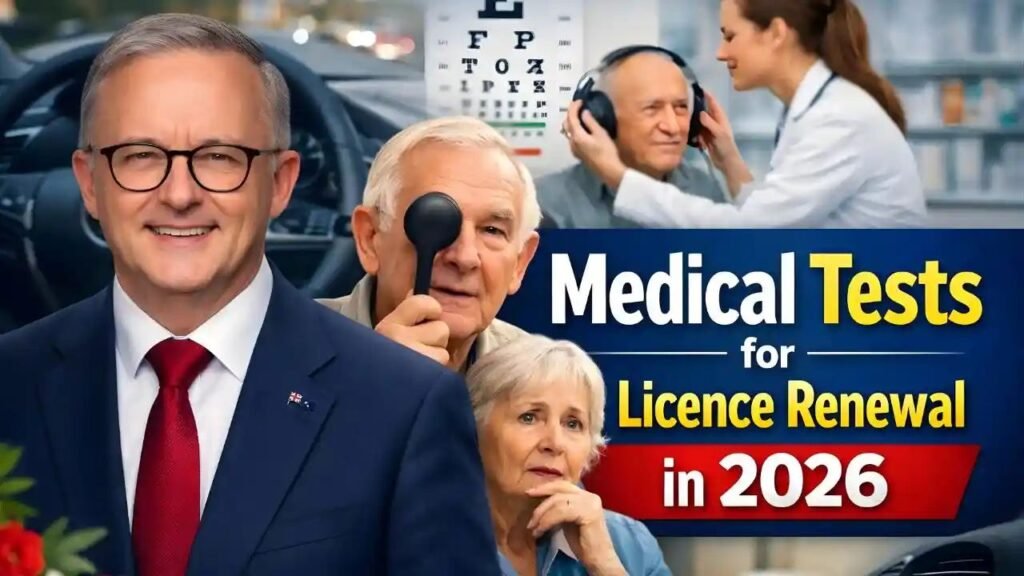
Significant changes to driver licensing procedures are set to take effect beginning in March 2026, marking the end of automatic licence renewals for certain drivers. These updates introduce mandatory medical assessments during the renewal process, particularly for older drivers and those in higher-risk categories.
The reforms are part of a broader safety strategy supported by national road authorities, including oversight from the National Transport Commission, aimed at improving public road safety and ensuring that all licensed drivers remain physically and mentally capable of operating vehicles responsibly.

As traffic volumes increase and vehicle technology evolves, regulators are focusing on strengthening safety standards while preserving mobility and independence for qualified drivers. Understanding how these changes work—and how to prepare—will be essential for drivers approaching renewal periods in 2026 and beyond.
Why Automatic Licence Renewals Are Being Phased Out
A Shift Toward Safety-Focused Licensing
For years, many drivers benefited from streamlined licence renewals that required minimal verification. However, as populations age and road networks become more complex, authorities are placing greater emphasis on driver fitness and safety verification.
Ending automatic renewals does not mean removing licences without reason. Instead, it introduces a verification step to confirm that drivers continue to meet the health and safety standards necessary for modern driving conditions.

This transition reflects growing awareness that driving safety depends on more than experience—it requires physical capability, clear vision, and sound judgment.
Addressing Rising Road Safety Concerns
Governments worldwide are responding to increasing concerns about accident risks associated with medical conditions that can impair driving ability. Conditions such as declining eyesight, reduced mobility, and cognitive changes may develop gradually, making periodic health checks an effective preventive measure.
Mandatory medical testing is intended to:
- Reduce accident risks linked to health-related impairments
- Identify potential safety concerns early
- Promote responsible driving standards
- Support safer road environments for all users

These steps form part of long-term national safety frameworks designed to protect communities and reduce preventable collisions.
Who Will Be Affected by the New Medical Testing Rules
Focus on Higher-Risk Age Groups
The new regulations primarily affect drivers who fall within designated age groups, typically older adults approaching later-stage renewals. While younger drivers will generally continue under standard renewal systems, individuals in higher-risk categories may face additional requirements.
Exact age thresholds and procedures may vary depending on regional transport authorities, but the core principle remains consistent: drivers must demonstrate ongoing fitness to drive.
This targeted approach allows regulators to focus resources where safety risks are statistically higher without placing unnecessary burdens on all drivers.
Variation Across Regions and States
While national policy direction is guided by organizations such as the National Transport Commission, local transport agencies are responsible for implementing the new procedures.
As a result, renewal processes may differ slightly across regions, particularly regarding:
- Age thresholds triggering medical tests
- Types of medical evaluations required
- Frequency of licence renewal
- Documentation standards
Drivers are encouraged to consult their local licensing authority well before their renewal date to avoid delays.
What Happens During a Medical Assessment
Core Components of the Evaluation
Medical assessments conducted during licence renewal are designed to evaluate the physical and cognitive abilities essential for safe driving. These assessments are typically performed by licensed medical professionals authorized to complete driver fitness evaluations.
Standard medical testing may include:
- Vision testing to confirm clarity and peripheral awareness
- General health screening to identify mobility limitations
- Cognitive assessments measuring concentration and memory
- Reaction-time observations in specific cases
These evaluations ensure that drivers maintain the functional skills necessary to operate vehicles safely under real-world conditions.
Possible Outcomes After Assessment
After completing the medical examination, the physician provides a recommendation regarding the driver’s eligibility. Several outcomes are possible depending on individual health conditions.
Drivers may:
- Receive full clearance to renew their licence
- Be granted conditional approval with restrictions
- Be required to undergo further testing
- Be temporarily restricted until health concerns are addressed
Conditional approvals are relatively common and may include limitations designed to enhance safety rather than revoke driving privileges entirely.
Understanding Conditional Driving Restrictions
Common Types of Licence Conditions
In situations where minor health issues are identified, drivers may be allowed to continue driving under specific conditions. These restrictions help reduce risks while preserving independence.
Typical conditional requirements may include:
- Driving only during daylight hours
- Wearing prescribed corrective lenses
- Avoiding high-speed highways
- Restricting travel distances
- Using vehicles equipped with safety assist features
These measures allow individuals to maintain mobility while adapting to changing health conditions.
Maintaining Independence Safely
Conditional licensing reflects a balanced approach to road safety. Rather than removing licences immediately, authorities prioritize solutions that allow capable drivers to remain active while minimizing risk.
For many drivers, this flexible model supports continued independence without compromising safety standards.
Preparing for Licence Renewal in 2026
Schedule Health Checks in Advance
Drivers approaching licence renewal dates should begin preparing early, especially if medical assessments will be required. Routine health evaluations can identify potential issues before official testing occurs.
Preparation steps may include:
- Booking regular eye examinations
- Reviewing current medications with a doctor
- Monitoring blood pressure and mobility health
- Addressing existing medical concerns proactively
Early preparation increases the likelihood of smooth and successful licence renewal outcomes.
Keep Personal Records Updated
Accurate documentation plays a vital role in the renewal process. Drivers should ensure that all personal records remain current and accessible.
Important documents may include:
- Medical history summaries
- Vision test results
- Identification records
- Current licence details
Maintaining organized records reduces administrative delays and simplifies the evaluation process.
How Medical Testing Improves Road Safety
Identifying Risk Factors Before Accidents Occur
Mandatory health assessments allow authorities to detect issues that may not be obvious during everyday driving. Conditions such as vision decline or slower reaction times can significantly affect safety, particularly in high-traffic environments.
By identifying these risks early, regulators can reduce the likelihood of collisions caused by undiagnosed medical conditions.
Supporting Safer Communities
Improved licensing procedures benefit more than individual drivers—they enhance overall public safety. With more capable drivers on the road, communities experience fewer accidents, reduced insurance costs, and improved traffic confidence.
This long-term approach contributes to safer infrastructure and better road safety outcomes nationwide.
The Broader Vision for Future Licensing Systems
Integration of Digital Health Records
Looking ahead, licensing systems may incorporate digital health verification tools that streamline the renewal process. Secure electronic records could allow medical professionals to submit assessments directly to licensing authorities.
Potential benefits include:
- Faster processing times
- Reduced paperwork
- Improved accuracy in medical reporting
- Enhanced data security
Digital integration represents a major step toward modernizing transportation safety systems.
Increased Role of Vehicle Safety Technology
Modern vehicles are increasingly equipped with advanced driver-assistance systems designed to reduce accident risks. These technologies may play a larger role in determining driving eligibility in future years.
Examples of emerging safety tools include:
- Collision avoidance systems
- Driver monitoring sensors
- Automated emergency braking
- Lane-keeping assistance
As technology evolves, these features may support safer driving among individuals with minor health limitations.
What Drivers Should Do Now
Stay Informed About Policy Updates
Regulatory changes can occur gradually, making it essential for drivers to remain informed about evolving requirements. Monitoring official announcements ensures that drivers understand exactly when new rules apply to their licence category.
Reliable preparation includes:
- Checking renewal dates regularly
- Reviewing official transport authority updates
- Consulting healthcare providers as needed
- Preparing documentation ahead of time
Remaining proactive reduces stress and prevents unexpected renewal delays.
Adopt Long-Term Health and Safety Habits
Maintaining physical and cognitive health plays a critical role in sustaining driving privileges. Drivers who prioritize wellness are more likely to meet medical eligibility requirements successfully.
Healthy lifestyle practices include:
- Regular physical activity
- Balanced nutrition
- Adequate sleep patterns
- Routine medical monitoring
These habits contribute not only to safer driving but also to overall quality of life.
Final Thoughts
The end of automatic licence renewals in March 2026 represents a meaningful shift toward safety-focused driving standards. Mandatory medical testing is not intended to restrict mobility but to ensure that all drivers remain capable of navigating modern road conditions safely.
While these changes may introduce additional steps during licence renewal, they ultimately serve a greater purpose: protecting drivers, passengers, and communities alike. By preparing early, maintaining good health, and staying informed about evolving regulations, drivers can navigate the new system confidently and continue enjoying the independence that responsible driving provides.